

Custom Designed Heat Resistant Castings and Fabrications
Innovative
Approach
Custom Designed Heat Resistant Castings and Fabrications
Long-Lasting Solutions
Custom Design Heat Resistant Castings and Fabrications
Specialty
Stainless
Steel
Fabrications
Long-Standing History. Long-Lasting Solutions
OUR GOAL
Create Excellent Products and Partnerships
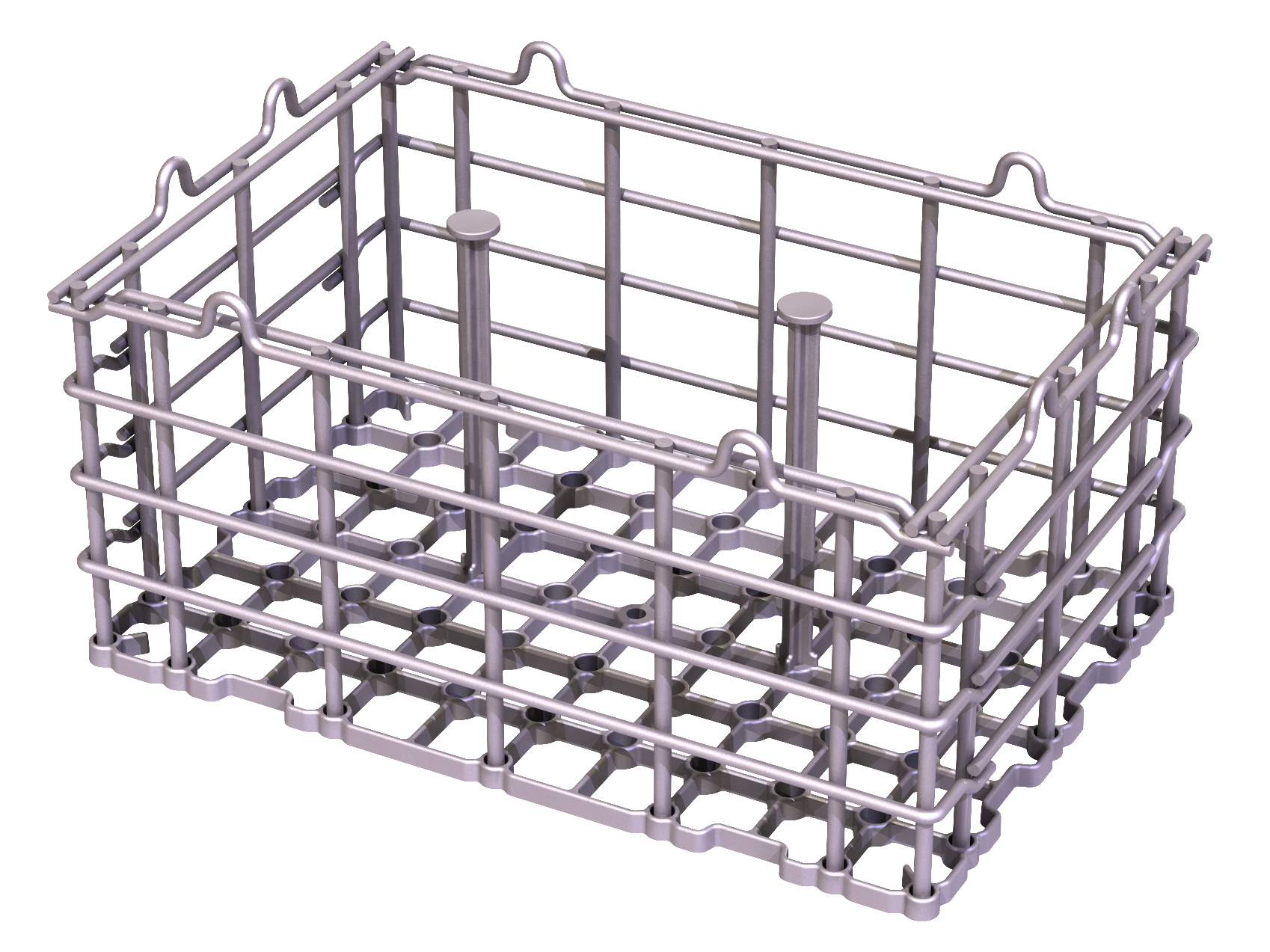
Fabricated Heat Treating Work Carriers
High-temperature work carriers built to withstand repeated thermal cycling.
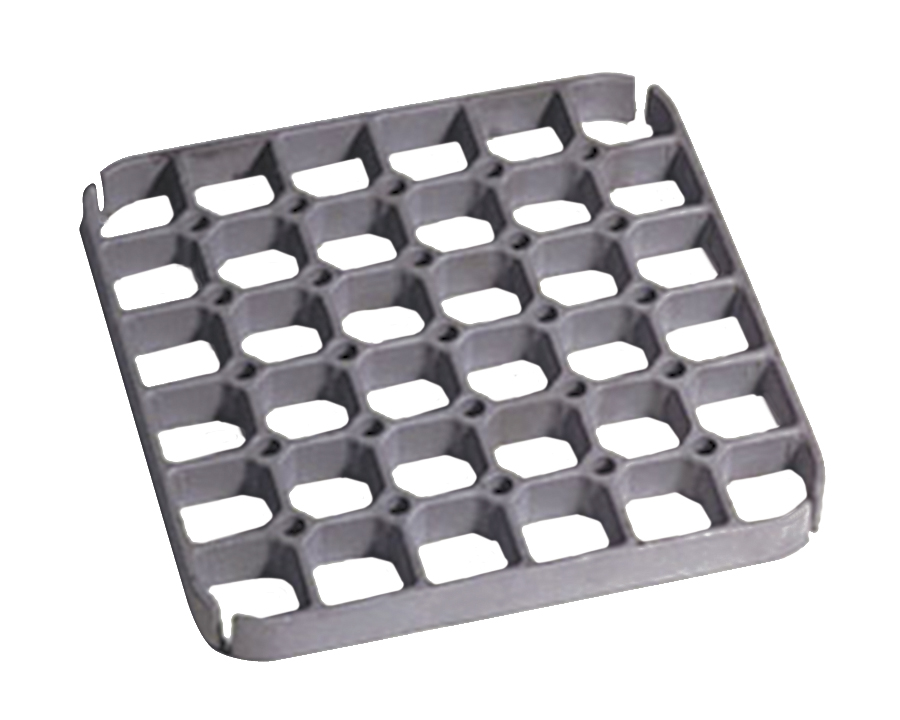
Cast Heat Treatment Work Carriers
Design, cast and deliver the highest quality cast work carriers.
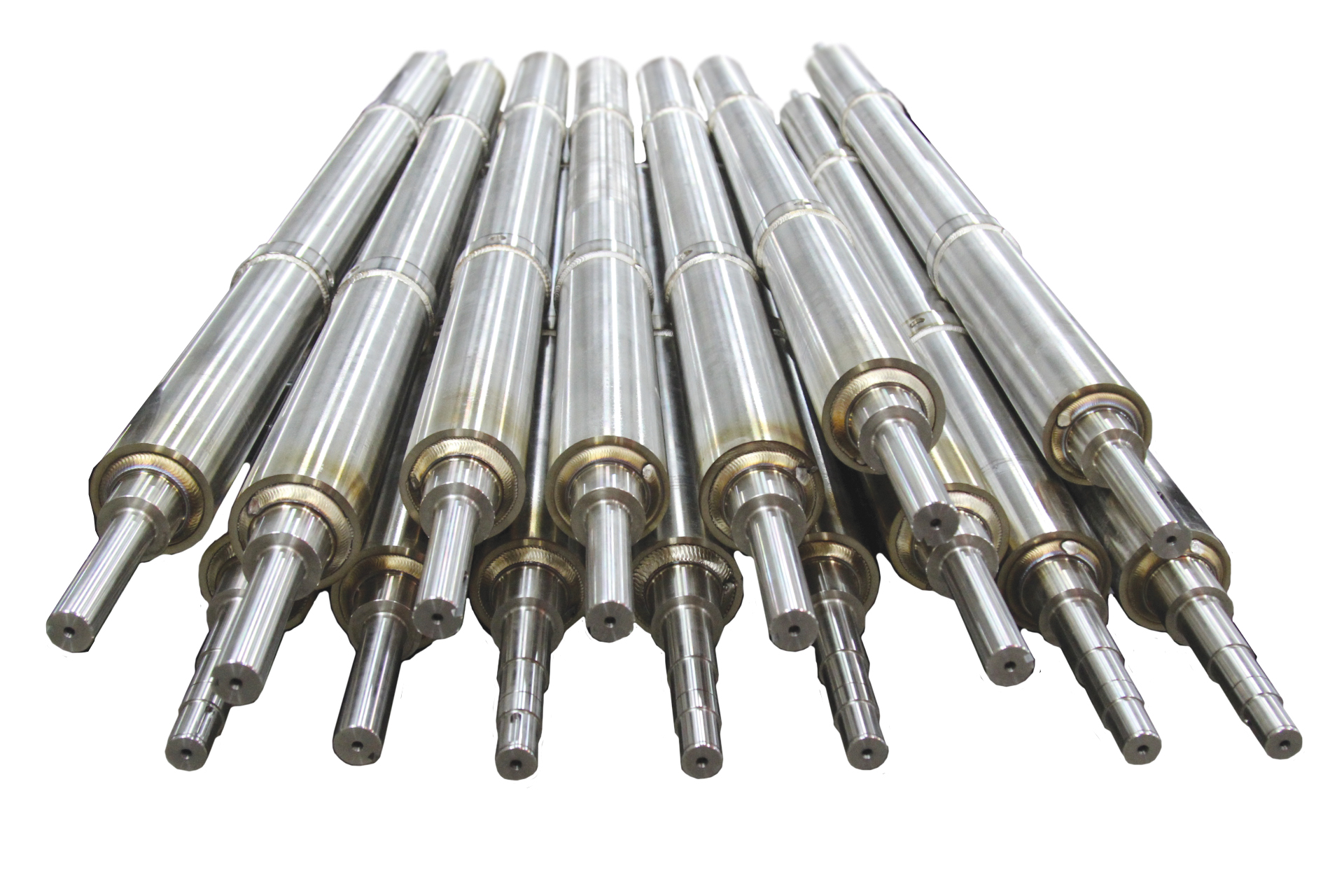
Heat Treatment Furnace Parts
Internal furnace alloy cast and fabricated in our multiple US facilities.
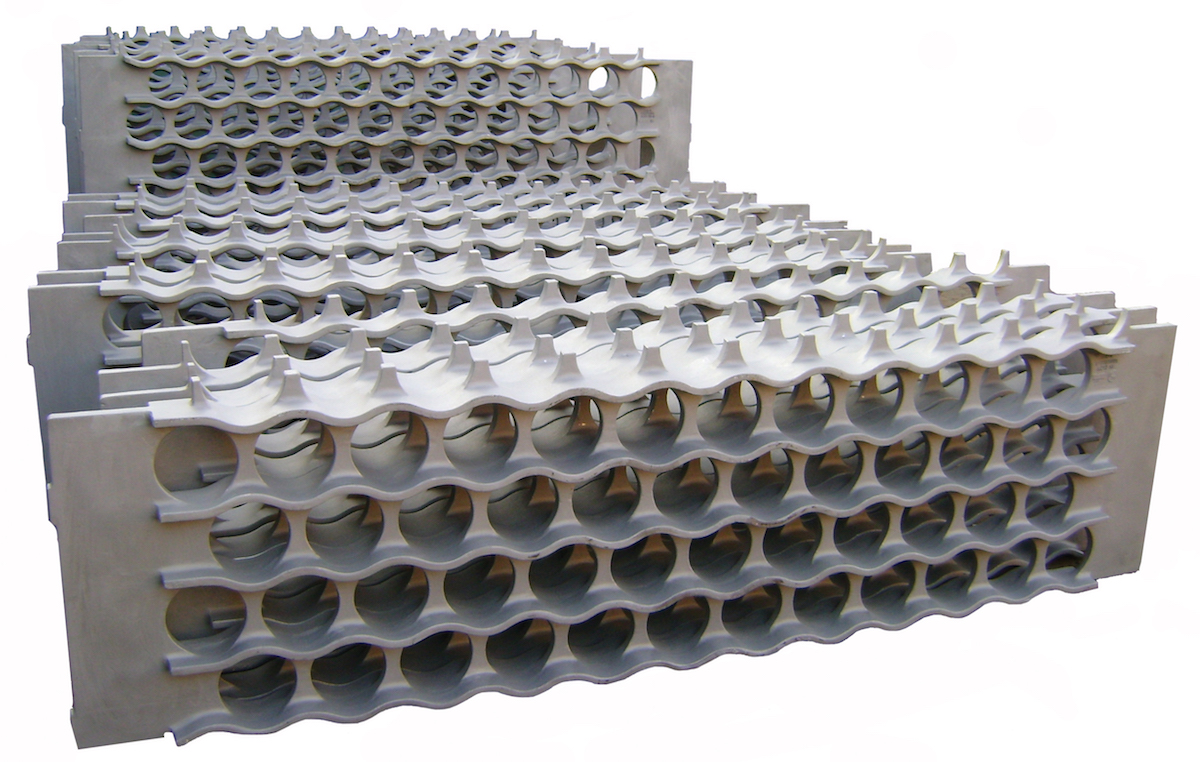
Steel Production Support
Thermal resistant castings and fabrications for a multitude of industries.
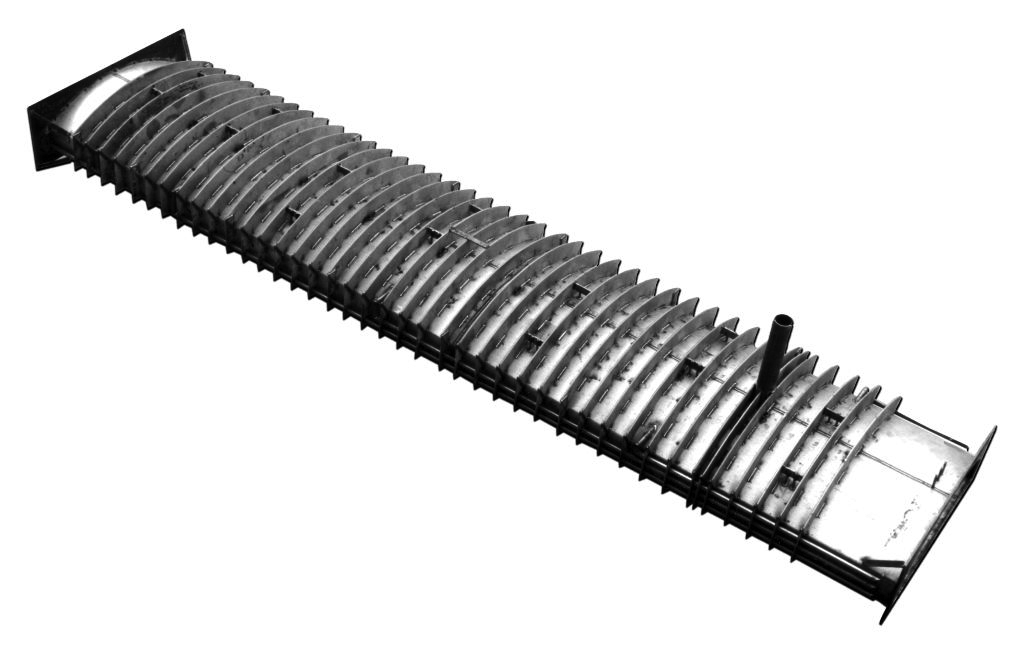
Hyper Alloys
Rugged baskets, unique muffles, vacuum retorts, corrugated boxes, and radiant tubes hand crafted with exacting standards.
Contact Wirco
We are always here to answer your questions.
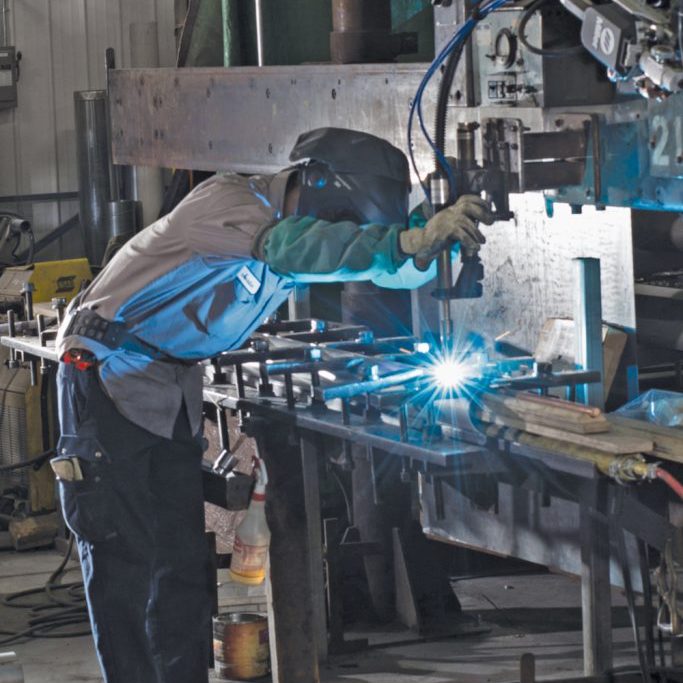
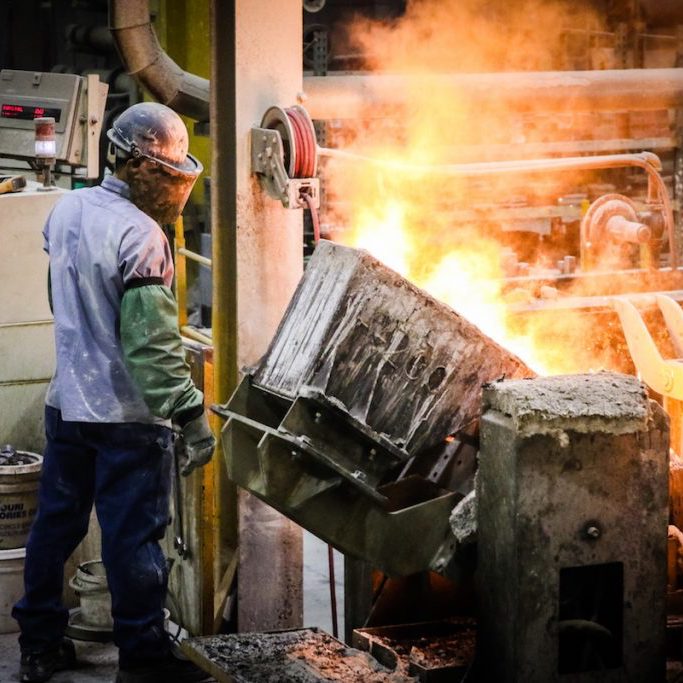
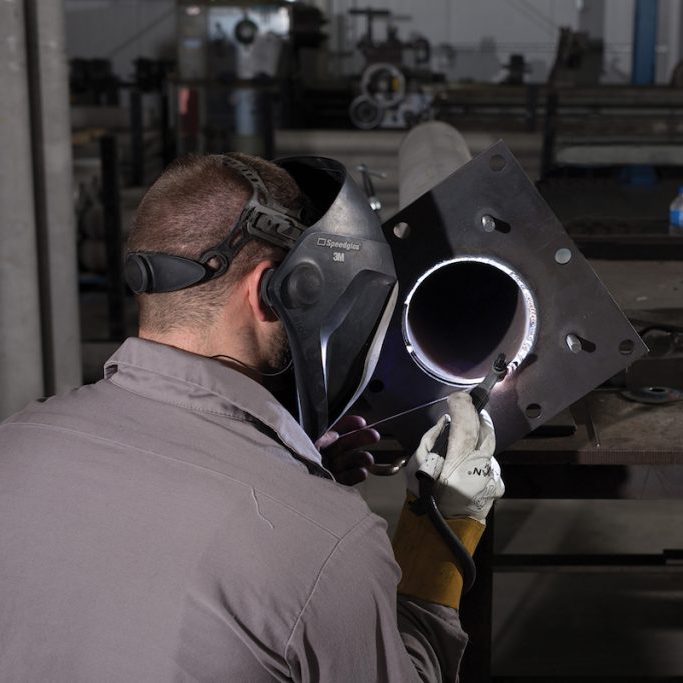
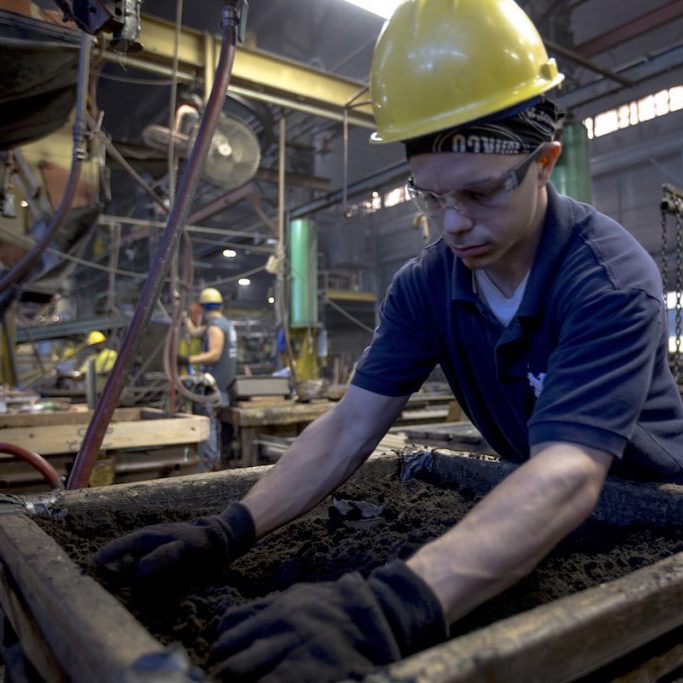
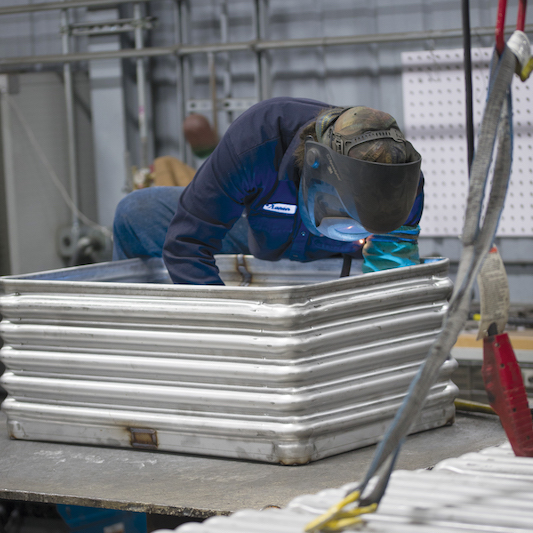
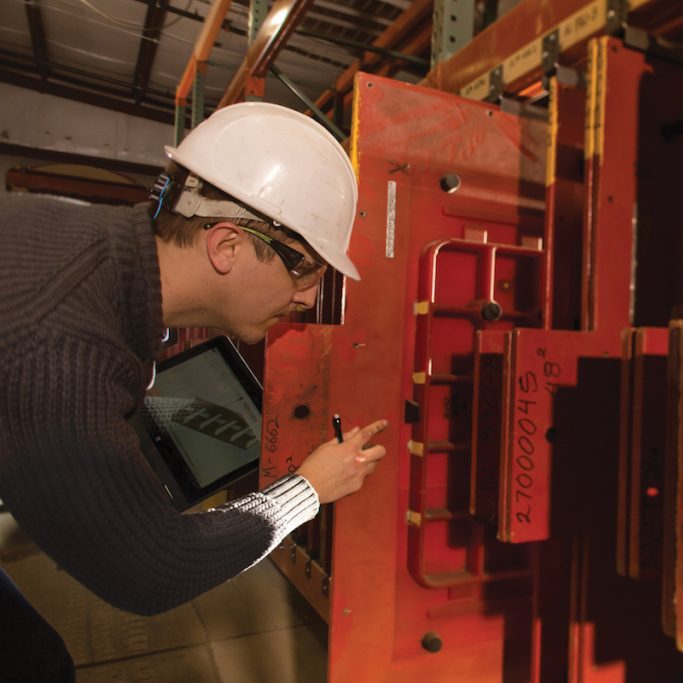
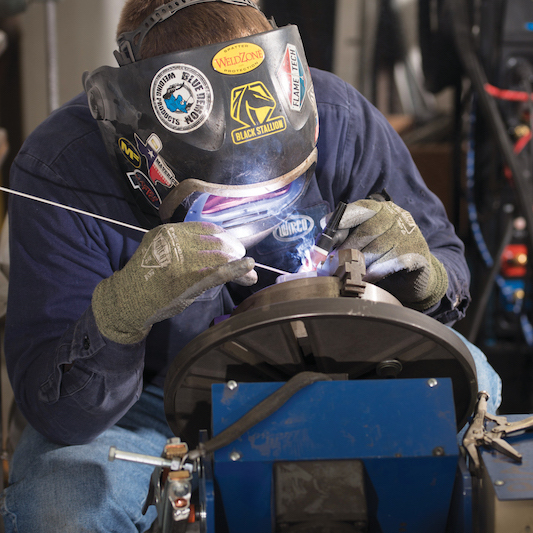
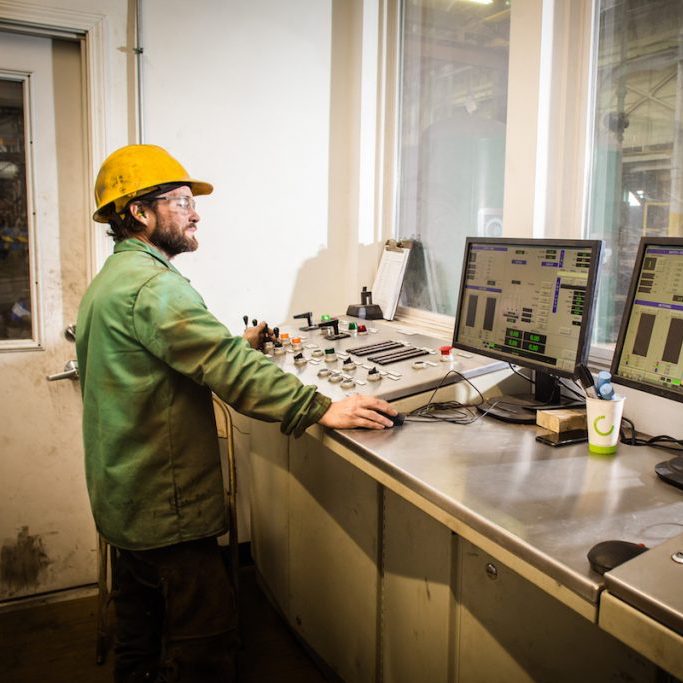
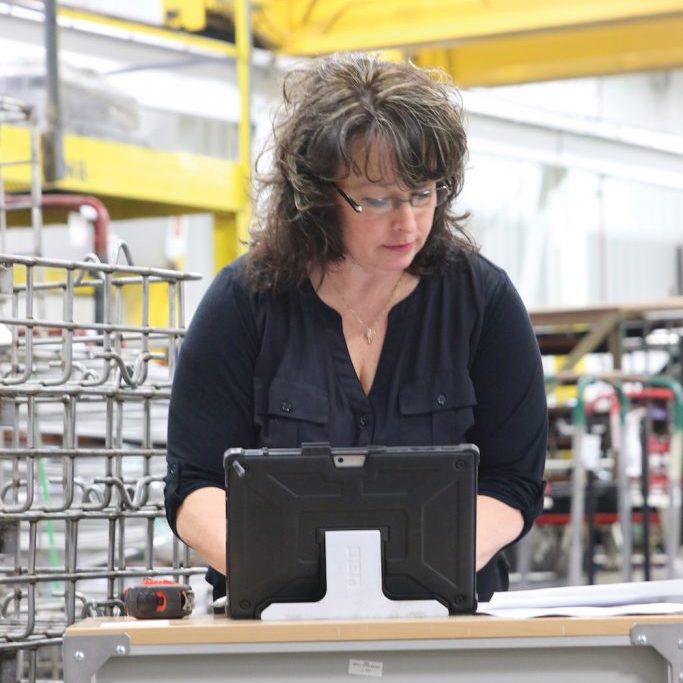
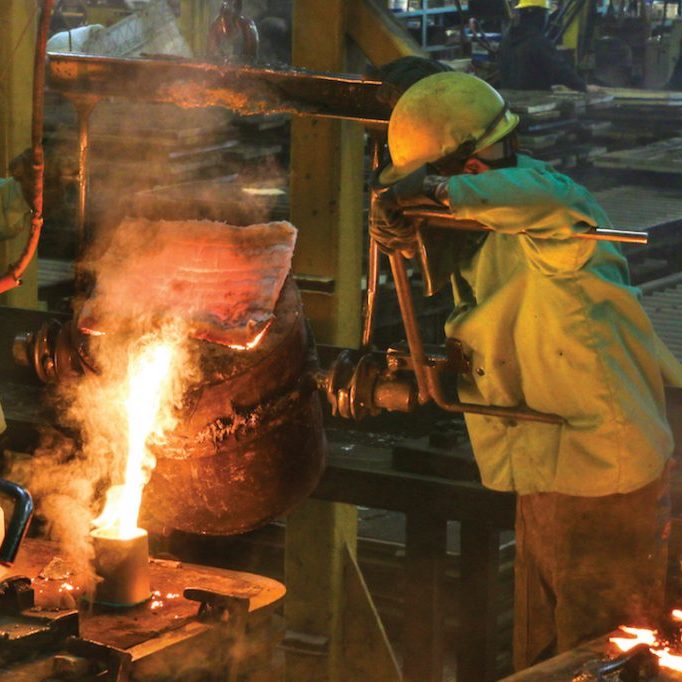
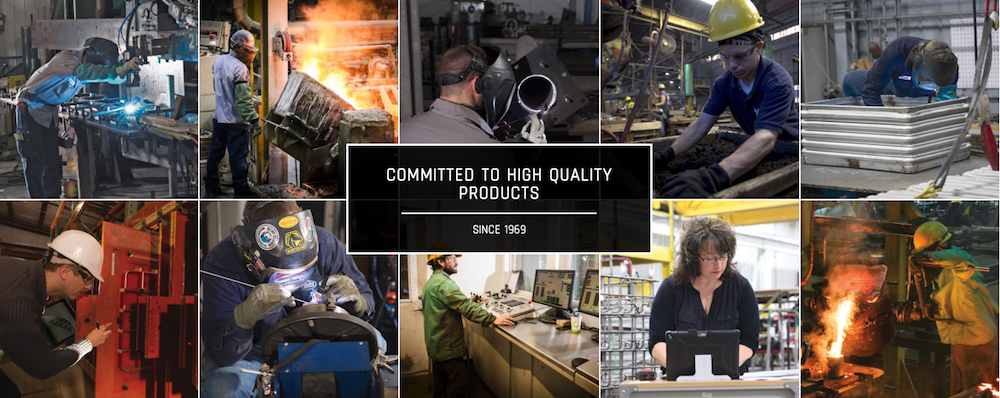
Committed to high quality products
Since 1969
Hyper Alloys
handcrafted with exacting standards for over 50 years.
Wirco’s Hyper Alloys line of custom fabrications have been used in many facets of the thermal processing industry. Our rugged baskets, unique muffles, vacuum retorts, corrugated boxes, and radiant tubes offer a high-value and comprehensive inventory that heat treating managers and operators depend on.
FEATURED VIDEOS
Watch to Learn More About Wirco
FEATURED BLOGS
RECENT NEWS FROM WIRCO
Holiday Closure
Wirco, Inc. will be closed for the Holidays beginning on the afternoon of Friday, December 2 through January 1, 2024. We will resume regular...
Wirco is looking for Account Managers!
Come join Wirco's growing team. We are looking for an Account Manager to help with our growing sales. Please see the attached Job description and...
Wirco is Hiring!
CNC Machinists and Welders! Wirco is the top tier provider for stainless steel castings and fabrications for the Heat Treat and Steel Mill markets....
Designed and
Manufactured.
In The
USA